Finnkampen 100 years
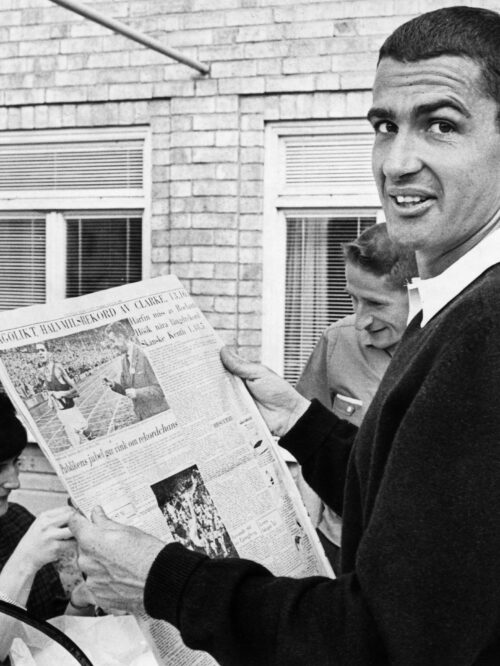
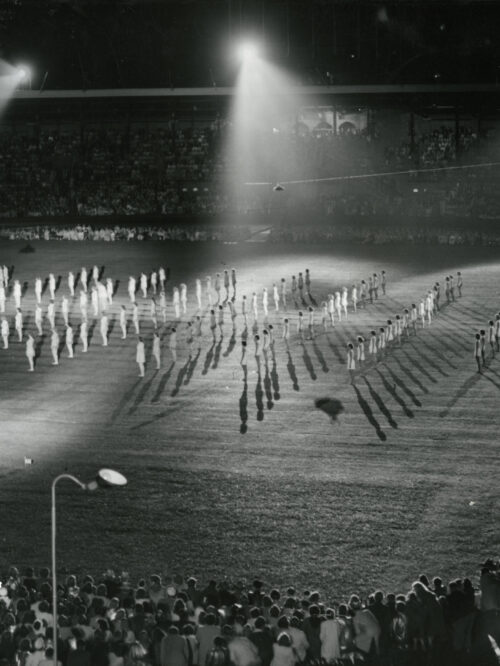
During two days in September 1925, a total of more than 23,000 spectators gathered at the idyllic Djurgårdens Idrottsplats, located close to the current Olympic Stadium in Helsinki. A national athletics match between Sweden and Finland. Finland’s greatest athlete of all time, Paavo Nurmi was at the height of his career. Now the nine-time Olympic champion was leading the Finnish troops to a clear victory. And so began what would become a tradition, an institution and something truly unique. But the start was tentative. Only men and only every other year. Emotions ran high both on and off the pitch. Sharp elbows, hard fights, questionable refereeing decisions and heated debate in the stands. After the 1931 international, the President of the Finnish Football Association, the future President of the Republic Urho Kekkonen, took the floor.
There have been so many heated feelings that it could damage our relationships, so let’s take a break from fighting!
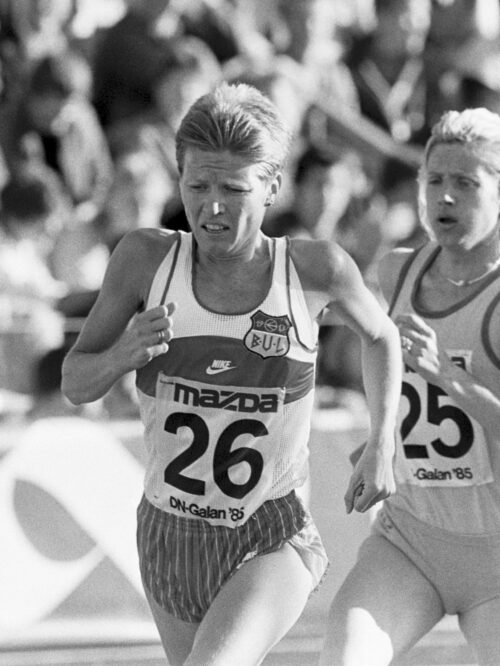
So it was, and fighting did not resume until 1939. Then came the wars, the Winter War, the Continuation War and the Lapland War for our long-suffering Finnish friends. From 1945, matches resumed, still with only two men from each country in each event. But in 1951, what added to the excitement was that there were now three men in each event, and in 1953 the women were also welcome – but not at the same place/time as the men. It wasn’t until 1964 that everything was coordinated – although the women had to wait until 1984 for there to be three from each nation in each event.
For the past thirty years, the Finnathlon has been the only living national competition in the world. Other structures of the competition program have emerged, but the Finnathlon lives on, unique in its design. Still popular, it attracts significant numbers of spectators and TV ratings are remarkably high in both Sweden and Finland.
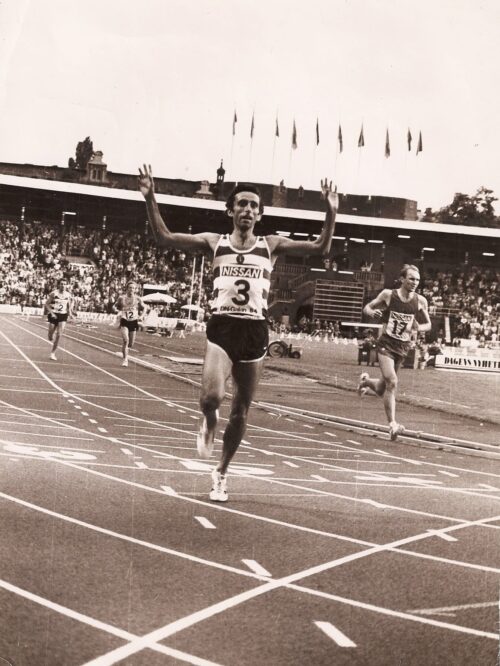
Over the years, Finland has had the upper hand on the male side, while Sweden has usually played first fiddle among the women. Since the days of Nurmi, Finnish and Swedish world-class performers have appeared on the competition track, but what is most fascinating is that it is the second and third athletes in each sport and team who can provide the surprise that gives the decisive points. Beating your fellow Finn – or vice versa – and turning sixth place into a fifth can mean that the lucky one can become the hero of the day.
The Finnkampen has become an institution and several other sports have borrowed the Finnkampen brand. This says a lot about the status and now century-long history of the competition.